




A photo I took from my house. You could literally see the flames as they ate through the hillside.
I live in Los Angeles, and about a year ago, I had an up-close seat to the LA and Altadena fires.
Loved ones were in harm’s way. Good friends lost homes. Some lost animal family members.
And although I was far enough away from the heart of things, I was still too close.
Like a lot of people in LA at the time, I was watching the situation constantly, wondering if we’d need to leave at any moment. I had my car packed for over a week and a half with 3 cats, 2 dogs, and 1 turtle relying on me for their safety.
And despite spending years talking about pet emergency evacuation preparedness, I still found myself realizing there were things I hadn’t fully thought through.
That was the wake-up call for me.
Because when it comes to emergency preparedness with animals, the goal isn’t just surviving the moment. It’s removing as much chaos and stress as possible before the emergency ever happens.
I spoke with a family from Altadena who were woken up at 2 am by the roar of the fire and within six minutes had to have their cats gathered up in carriers and out the door. They were so close to the fires that they had to consolidate into one car because the wheels on their other car had already melted.
Six minutes.
That’s not enough time to make good decisions. It’s barely enough time to move.
And that’s why preparedness matters.
Where I Felt Unprepared
This was the part that stuck with me the most.
I know this stuff. I talk about it all the time. But being close to it made me realize how many details can still slip through the cracks when stress enters the picture.
Things like:
- Double-checking where medical records were
- Wondering if I had enough of the right food
- Thinking through where I’d actually go if we had to leave
Those aren’t decisions you want to make in real time. Preparedness only works if it’s already done.
What I’d Do Differently: Emergency Essentials That Actually Matter
These are the things that mattered most—or the things I wish I’d thought through better ahead of time.
1. Keep Medical Records and Prescriptions Ready
During disasters, pharmacies get overwhelmed fast. Systems crash. Records disappear.
Now, I’d make sure to always have:
- Physical copies of prescriptions
- Digital backups stored in the cloud and on my phone
- Vaccination records and vet contacts ready to grab
Because when your animal needs medication, you don’t want to depend on technology working perfectly.
2. Bring More Food Than You Think You Need
One thing I’d stress more now is food.
Bring at least a full case of your animal’s regular food if possible.
Not only because:
- Sudden diet changes can create stress and stomach issues
- Supply chains can get disrupted quickly
But because in situations like this, you also wind up helping other people and animals whenever you can.
3. Bring Their Actual Bowls
This sounds minor until you’re living through it.
Animals anchor themselves through familiarity, and routine matters when everything else suddenly changes.
The bowl they use every day? Bring it.
Small things become big things during an evacuation.
4. Have a Travel Litter Box Ready
For cats especially, this became a huge one for me.
A portable litter box is important—but what really makes the difference is including a little bit of gently used litter.
That familiar scent tells them: “This space is okay.”
There are travel litter boxes now that zip up and are easy to carry, and honestly, they’re worth having packed ahead of time.
What I’d Do Before the Next Fire (And You Should Too)
The Scent Strategy Most People Overlook - aka You Need Vacuum-Sealed Bags
This is probably the biggest thing I’d emphasize and it's the thing I think most people overlook. Animals rely heavily on scent to feel safe.
At the Red Cross shelter, I saw cats spending weeks in temporary shelter setups. The animals that adjusted best almost always had something with a familiar scent nearby.
Now, I’d absolutely keep vacuum-sealed bags packed with:
- Bedding they regularly sleep on
- Blankets
- Worn t-shirts
- Soft items carrying familiar household smells
I’d even rotate beds periodically by sealing one away and letting another "marinate" with fresh scent.
Vacuum-sealed bags make it easy to:
- Keep those smells strong
- Protect items from smoke or damage
- Compress everything into a go-bag
It sounds simple, but scent creates continuity for animals when everything else suddenly changes.
Pre-Plan Your Destination
Do NOT figure this out in the moment. Know where you’re going before you need to go.
That means having:
- Pet-friendly hotels bookmarked and saved
- Friends or family members you’ve already talked to
- Emergency shelters that accept animals
- Multiple backup options in different directions
Practice Getting Your Animals Into Carriers
This is a big one.
A lot of cats disappear the second they sense stress or urgency.
If the only time the carrier comes out is during emergencies or vet visits, you’re already making things harder on yourself.
Now, I’d make carrier familiarity part of regular life:
- Leave carriers out year-round
- Put treats or bedding inside
- Normalize them as safe spaces
Because during an evacuation, the last thing you want is spending twenty minutes trying to find a terrified cat under a bed.
Keep Your Gas Tank Filled
Simple. Practical. Easy to overlook.
During evacuations gas stations get overwhelmed, traffic becomes gridlocked, and supplies run low quickly.
Don’t wait until the warning comes to fill up your car.

Day one. I was in Santa Monica and it was early on enough that people were just catching on to the fact that there was a problem afoot.
🧰 Pet Emergency Evacuation Preparedness Shopping List
Here’s a practical pet emergency evacuation kit based on what I learned and what I’d prioritize now:
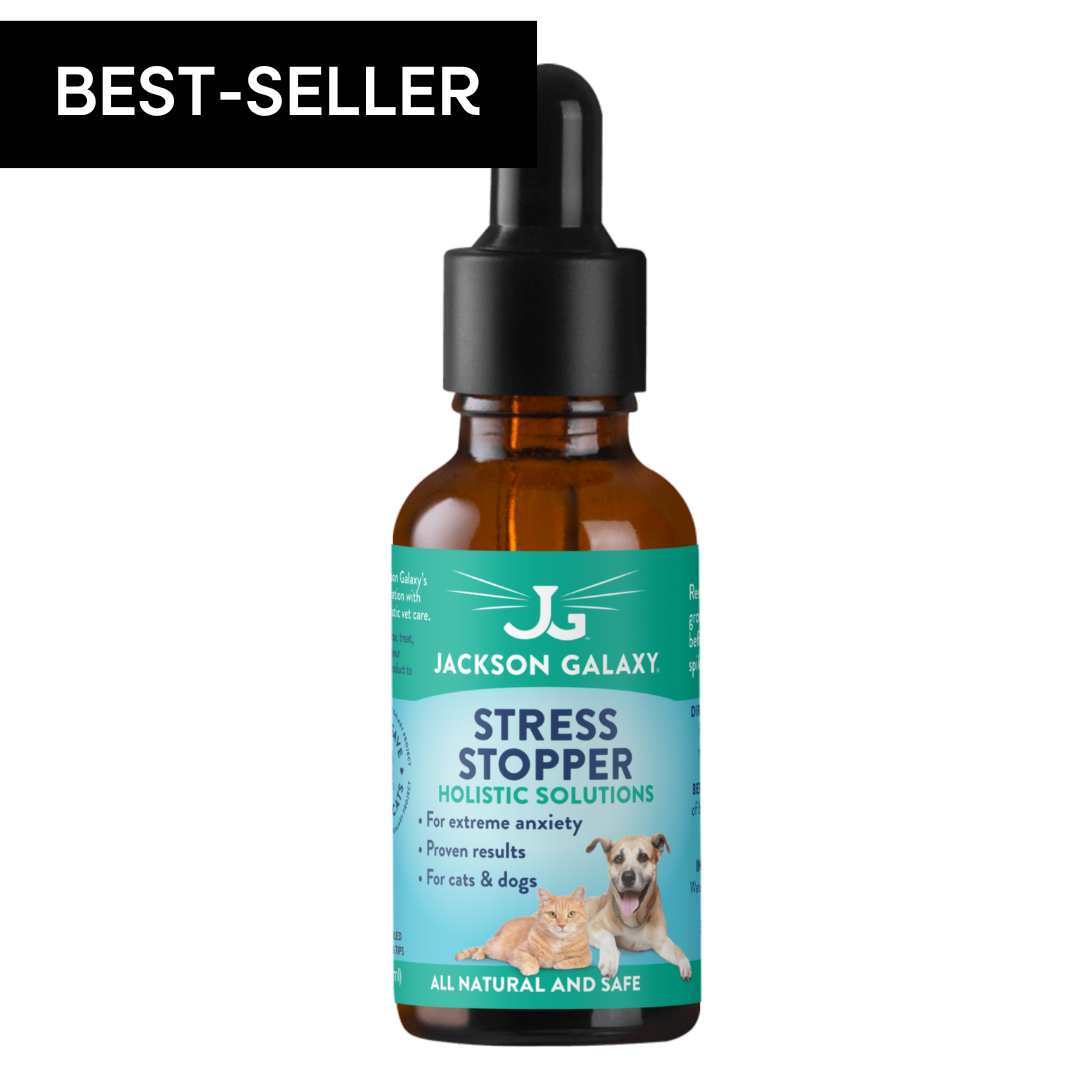
(Include essentials like carriers, vacuum-seal bags, travel litter boxes, collapsible bowls, emergency kits, etc.)
What Really Matters
When I did my final sweep — deciding what mattered enough to take — I realized something.
You need a lot less than you think and my list got very simple, very fast.
My animals. Some clothes. My first guitar.
That was pretty much it.
Experiences like this have a way of clarifying what matters and what doesn’t.
A Quick Note About Afterburn
I recently had the chance to be part of a documentary called Afterburn, which explores the aftermath of wildfires — not just the destruction, but the resilience, the rebuilding, and the lives forever changed.

It’s not available to watch just yet, but I highly recommend following their social channels to stay updated on the release.
Final Thought: Don’t Wait for the Wake-Up Call
If there’s one thing I want you to take from this, it’s this:
Preparedness is an act of love.
For your animals. For yourself.
Because when everything else falls away, what matters most is getting out safely — together.
And if you’ve done the work ahead of time?
You won’t just survive it.
You’ll move through it with clarity, purpose… and a whole lot less fear.