




If you’ve lived with cats long enough, you know this: when something feels off, it usually is. Maybe your cat’s appetite dips. Maybe they start hiding. Maybe litter box habits get… weird.
It’s easy to treat these as separate issues. But more often than not, they’re connected by one powerful, overlooked system:
Your cat’s gut.
When a cat’s gut health is off, it can show up as stress, low energy, appetite changes, or disrupted routines. Understanding this connection is key to restoring balance.
(Remember, folks—always consult your vet for medical concerns, because while I can guide you, this blog is no substitute for professional care!)
🧠 The Gut-Brain Connection in Cats
The gut isn’t just a food processor. It’s a complex ecosystem—the gut microbiome—that influences:
- Digestion and nutrient absorption
- Immune health
- Energy levels
- Emotional regulation
This system communicates directly with the brain through the gut-brain axis.
👉 Stress can disrupt the gut.
👉 But an unhealthy gut can also increase stress.
It goes both ways and that’s where problems begin.
🚨 Signs of Poor Gut Health in Cats
Gut issues don’t always look like digestive problems.
Watch for:
- Inconsistent appetite
- Vomiting or frequent hairballs
- Loose stool or constipation
- Behavioral changes (hiding, irritability, aggression)
- Low energy or reduced play
- Disrupted sleep patterns
These are often signs of a deeper imbalance.
🔄 How Gut Health Disrupts Routine
Cats rely on routine to feel safe. When internal discomfort shows up, that routine starts to break down. I know life is crazy, but if your cat is not feeling well, minimize disruption as much as possible.
A gut imbalance can lead to:
- Litter box avoidance
- Reduced appetite and energy
- Social withdrawal
- Changes in sleep, play, and feeding patterns
This creates a cycle:
Gut imbalance → Stress → Routine disruption → More stress
Breaking that cycle is key to getting your cat back on track.
🐈 Why Routine Stability Matters
Routine is what supports your cat’s confidence, what I call their mojo.
A balanced cat:
- Eats consistently
- Uses the litter box reliably
- Engages with their environment
- Feels secure in their territory
When gut health affects appetite or energy, that structure weakens and stress builds.
🛠️ Supporting Gut Health in Cats
Improving gut health means stabilizing the system from the inside out.
1. Keep Diet Consistent
Avoid frequent food changes. Transition gradually over 7–10 days to protect the microbiome.
2. Reduce Environmental Stress
Minimize disruptions like new pets, loud environments, or lack of safe spaces. A predictable environment supports both gut and nervous system health.
3. Support Gut Health from the Inside Out: Probiotics + B12
Gut health isn’t just about bacteria, it’s about what your cat can absorb and use.
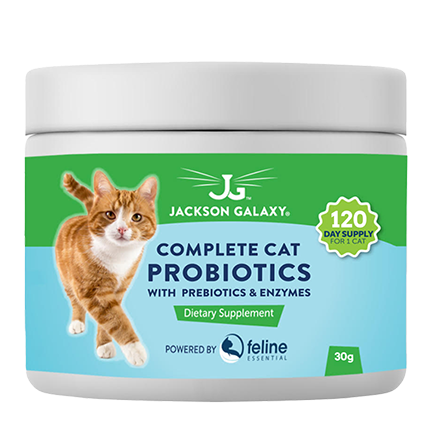
🧬 Rebuild the Microbiome (Probiotics)
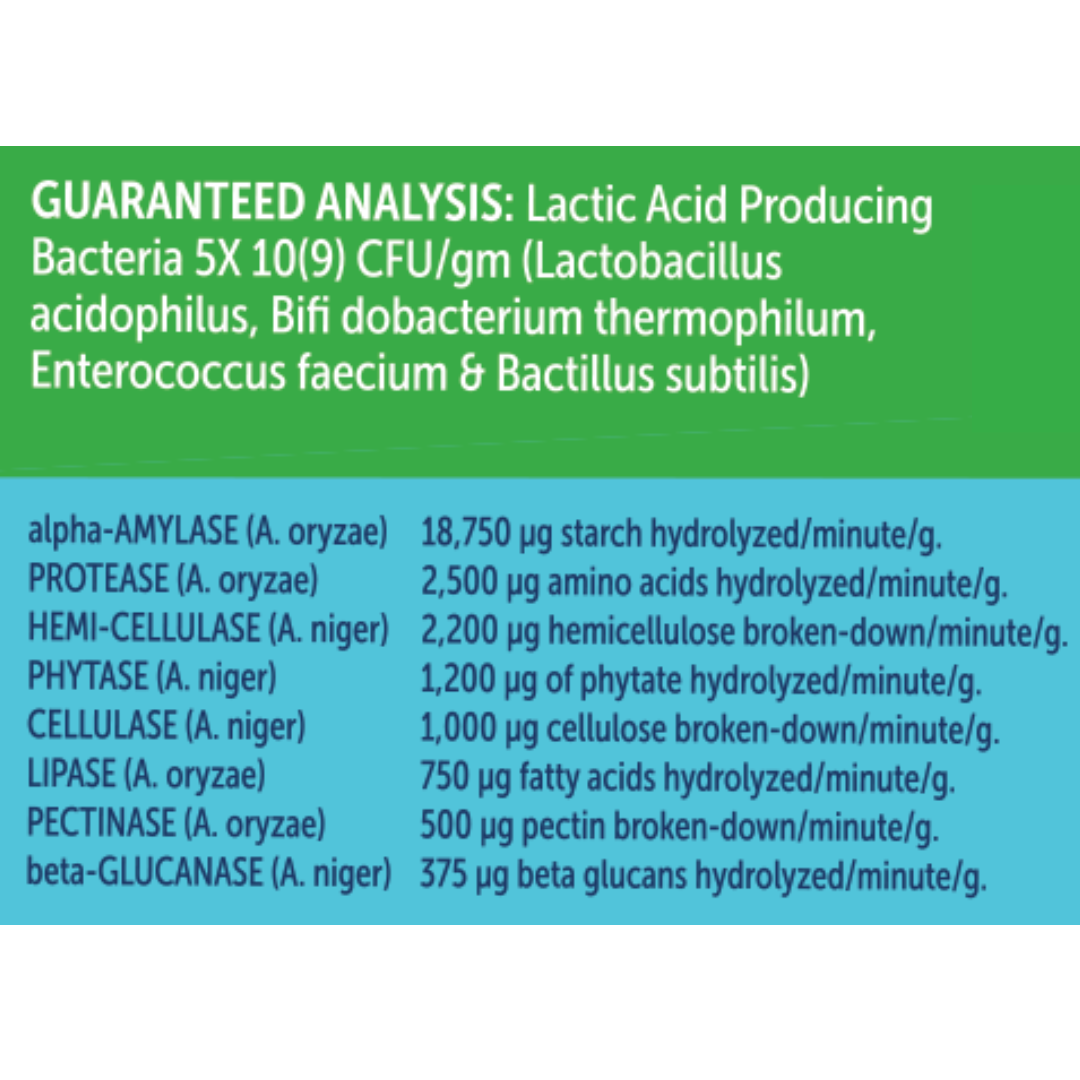
When the gut is out of balance, digestion becomes inefficient. Targeted probiotic support, like my Complete Cat Probiotics, can help restore beneficial bacteria and support:
- Stable digestion
- Improved stool quality
- Reduced GI discomfort
- A more regulated system
👉 Explore Complete Cat Probiotics →
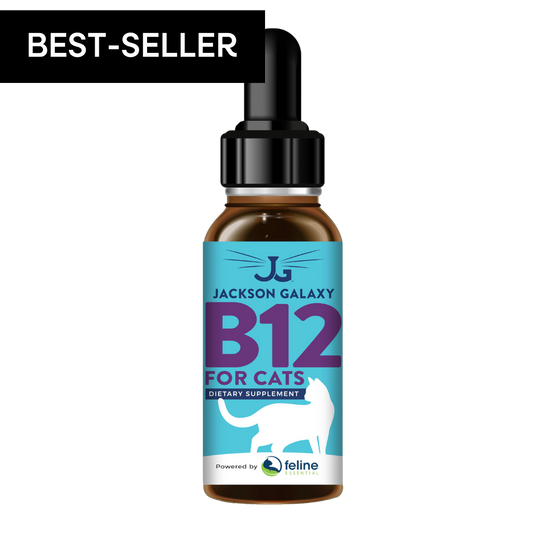
⚡ Support Energy & Absorption (B12)
Vitamin B12 plays a key role in:
- Energy production
- Appetite regulation
- Nervous system health
But B12 depends on a healthy gut to be absorbed.
When the gut is compromised:
- B12 levels drop
- Energy decreases
- Appetite declines
- Stress increases
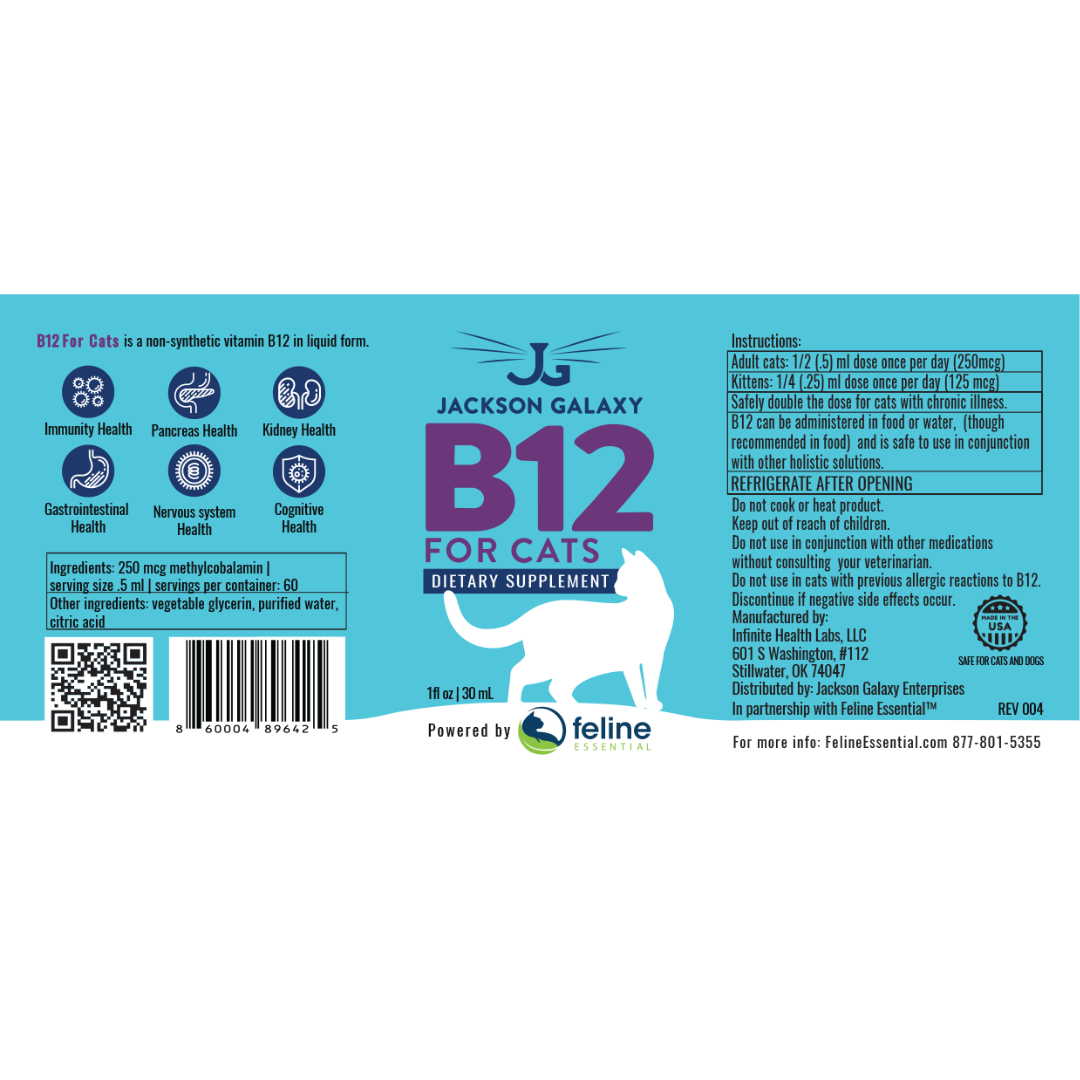
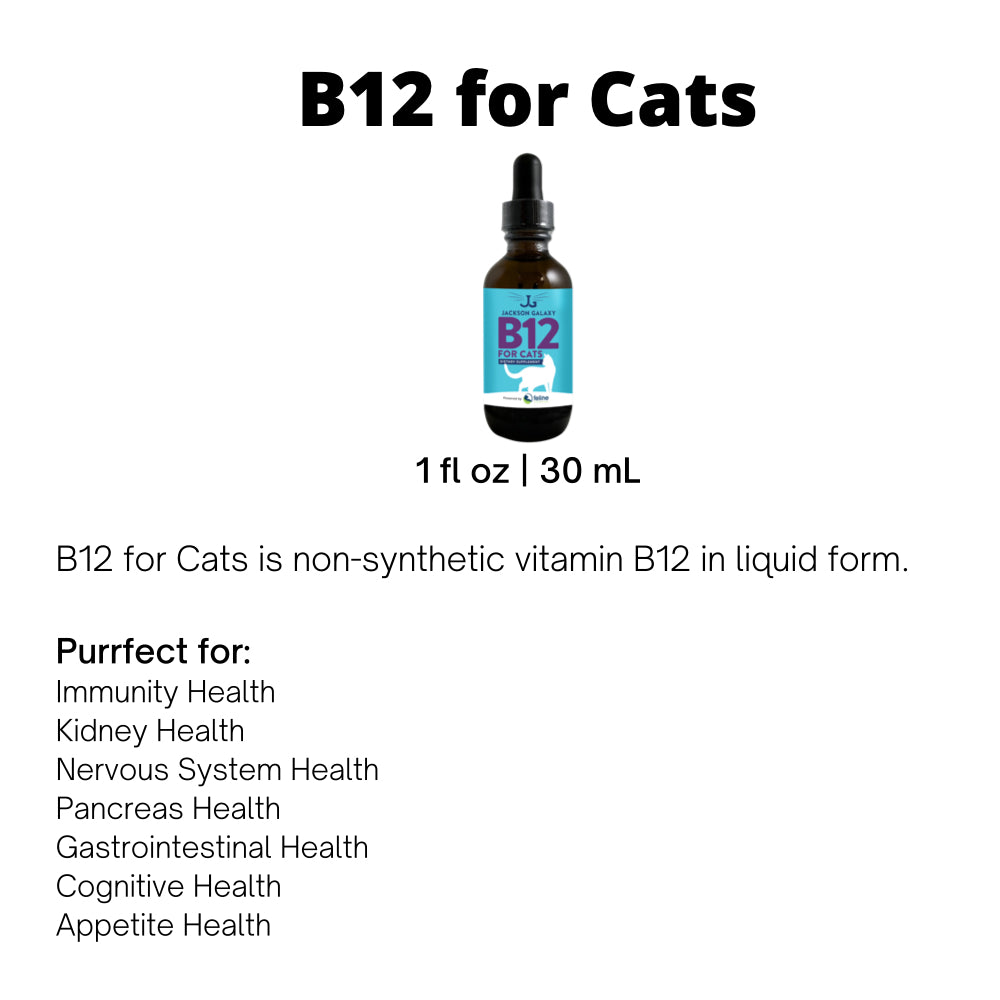
Targeted support, like my B12 Supplement for Cats, can help fill that gap.
👉 Learn more about B12 support →
😺 Why They Work Better Together
- Probiotics support the environment (the gut)
- B12 supports the output (energy, appetite, resilience)
You can improve the soil but without nutrients, nothing thrives.
When both are supported, you may start to see:
- More consistent appetite
- Better energy levels
- Reduced stress-driven behavior
- A return to routine
👉 If your cat has been struggling with digestion, appetite, or stress, supporting both the microbiome and nutrient absorption can be a meaningful next step, alongside guidance from your veterinarian.
🩺 When to Talk to Your Veterinarian
Not every issue starts or ends in the gut.
If your cat has:
- Ongoing vomiting or diarrhea
- Appetite loss or weight changes
- Persistent behavioral shifts
Consult your veterinarian. They can:
- Rule out underlying conditions
- Check for deficiencies like B12
- Guide safe, effective support
Gut health is one piece of the bigger picture.
🔄 Bringing Your Cat Back Into Balance
Gut health, stress, and routine stability are deeply connected.
When the gut is balanced:
- Stress decreases
- Energy improves
- Routine stabilizes
When it’s not, everything can feel off.
Start by observing your cat. Stabilize what you can. Support their system thoughtfully and involve your vet when needed.
Because sometimes, the path back to a calm, confident cat…
Starts in the gut.
❓ FAQ: Cat Gut Health
Can gut health affect my cat’s behavior?
Yes. The gut-brain axis means digestive imbalance can contribute to stress, anxiety, and behavioral changes.
Do cats need probiotics?
Some cats benefit from probiotic support, especially during stress, diet changes, or digestive issues.
What does B12 do for cats?
Vitamin B12 supports energy, appetite, and nervous system function, especially in cats with gut health challenges.